The Twelve Stars — From Radical Optimism to Bureaucratic Logo.
It is one of the most visible political symbols on the planet. Around 95 percent of European citizens instantly recognize the bright blue background and the golden circle. Yet, if you ask those same citizens what the symbol actually stands for, you will likely be met with silence or a confident, but entirely incorrect, guess.

We have a continent full of people who see the brand every day but have no idea what the dream actually means. The European flag has achieved universal recognition, but its deep emotional literacy has been lost.
The most pervasive myth is the American logic trap — the belief that the twelve stars represent the first twelve member states of the European Union. This misconception is so deeply ingrained that official European institutions have to actively debunk it in their fact sheets. When the flag was officially adopted in 1955, the organization behind it — the Council of Europe — actually had fifteen member states.
The designers, including Paul Lévy and Arsène Heitz, made a deliberate choice to divorce the symbol from political math. They knew that tying the flag to membership size would reduce it to an administrative ledger that required an update every time a border shifted.
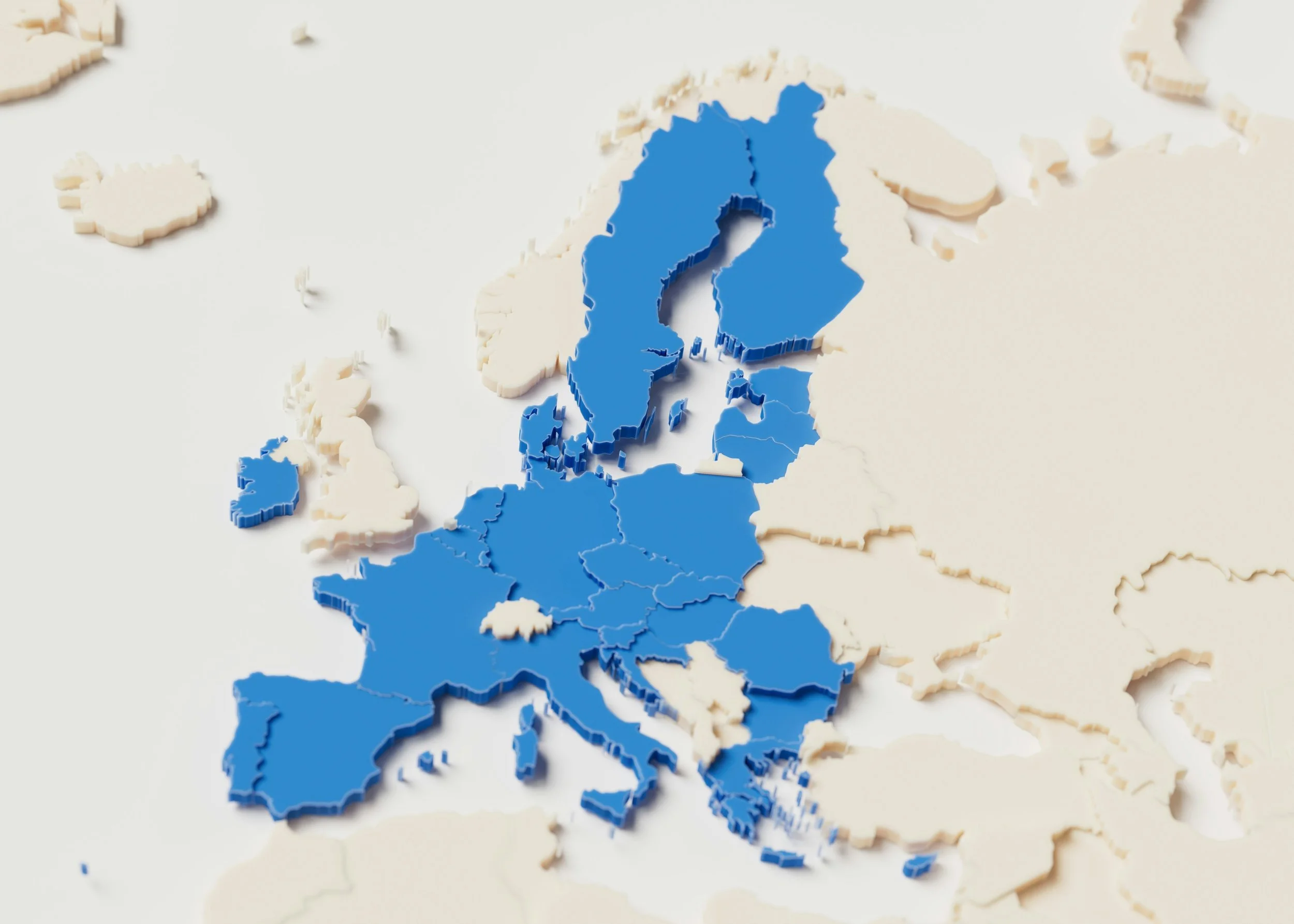
Instead, they chose the number twelve as a timeless, cross-cultural symbol of perfection, completeness, and unity. Just like the twelve months of the year or the twelve hours on a clock face, the stars represent a harmonious whole.
It was meant to be a visual promise of solidarity among the peoples of Europe. But over the decades, as the European Communities evolved into a sprawling political entity, this profound symbolism was swallowed by bureaucracy. The flag slowly transitioned from a hopeful emblem of a united, peaceful continent into a sterile institutional logo printed on government forms and infrastructure signs.
Today, the forgotten meaning of the twelve stars perfectly illustrates the broader crisis of the European narrative. A symbol without a story is just graphic design. If Europe wants to shift its energy from bureaucratic boredom to a wave of optimism, it must reclaim the emotional heartbeat of its symbols.
The golden circle was never meant to be a headcount of politicians in a room. It was designed as a blueprint of unity — a beautiful, bold reminder of a prospering future that we have to actively choose to build together.
Let’s fix that.